
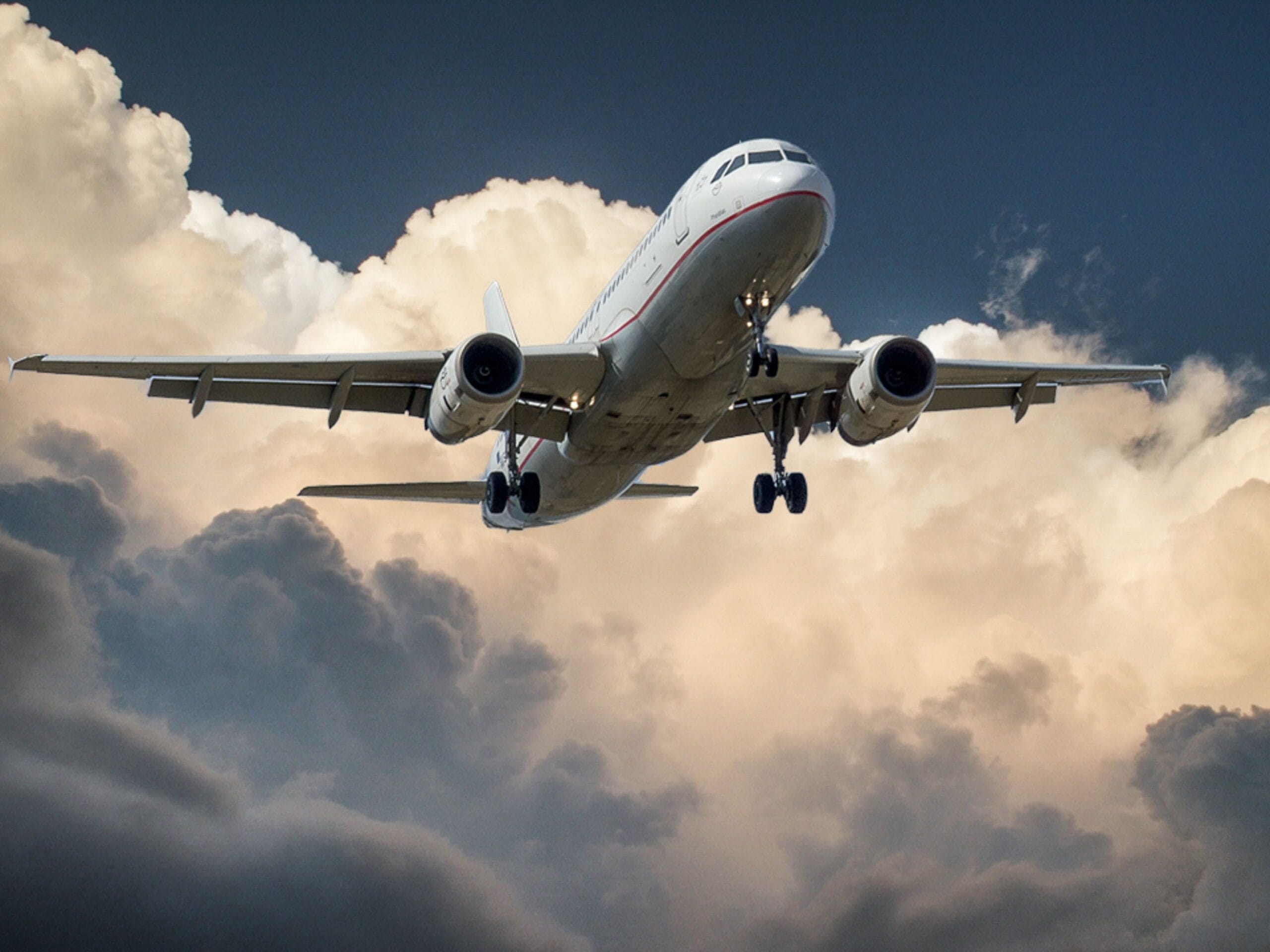
Batteries were supposed to be too heavy for commercial flight. Elysian Aircraft spent years proving otherwise – and believes short-haul aviation is ready to electrify.
Daniel Rosen Jacobson, Co-Founder and Co-CEO of Elysian Aircraft, opened his Energy Tech Summit keynote with a question: “who here in the audience has flown in an electric aircraft before?” Almost no one had. That is hardly surprising, since only one battery-electric aircraft is certified: a two-seater designed in Slovenia by Pipistrel. Still, Rosen Jacobson believes electric aviation can reach mainstream passenger routes much sooner than most people expect.
An industry stepping back from decarbonization
Many incumbents are working on cleaner flight. However, progress has slowed. Airbus has pushed back its hydrogen aircraft program by five to ten years, and several airlines have revisited their net zero targets. Meanwhile, the next generation of single-aisle aircraft is unlikely to bring a radically new powertrain.
At the same time, the problem keeps growing. By most estimates, aviation could account for more than a fifth of global emissions, largely because so few solutions work at scale. Rosen Jacobson sees that gap as an opportunity for a company with the right aerospace track record.
Why short-haul flights are ripe for electric aviation
Crucially, “aviation is surprisingly local”. Around half of the world’s flights cover less than 1,000 kilometers. Yet airlines usually fly those routes with large narrow-body aircraft such as the Boeing 737 and Airbus A320, mainly for cost reasons.
Sustainable aviation fuel offers a drop-in path to cutting emissions. Still, Rosen Jacobson sees major constraints. Feedstock is limited, and e-fuels are still scaling. SAF remains below 1% of jet fuel, far short of earlier expectations, and it costs eight to twelve times more than fossil fuel. For that reason, his message is clear: “if you can electrify, you should electrify”.
Electric flight brings further benefits. Maintenance costs fall, noise is easier to manage, and non-CO2 effects such as contrails disappear. Above all, efficiency favors batteries. Electrification retains about 80% of the original energy, compared with less than 20% for alternative fuel pathways.
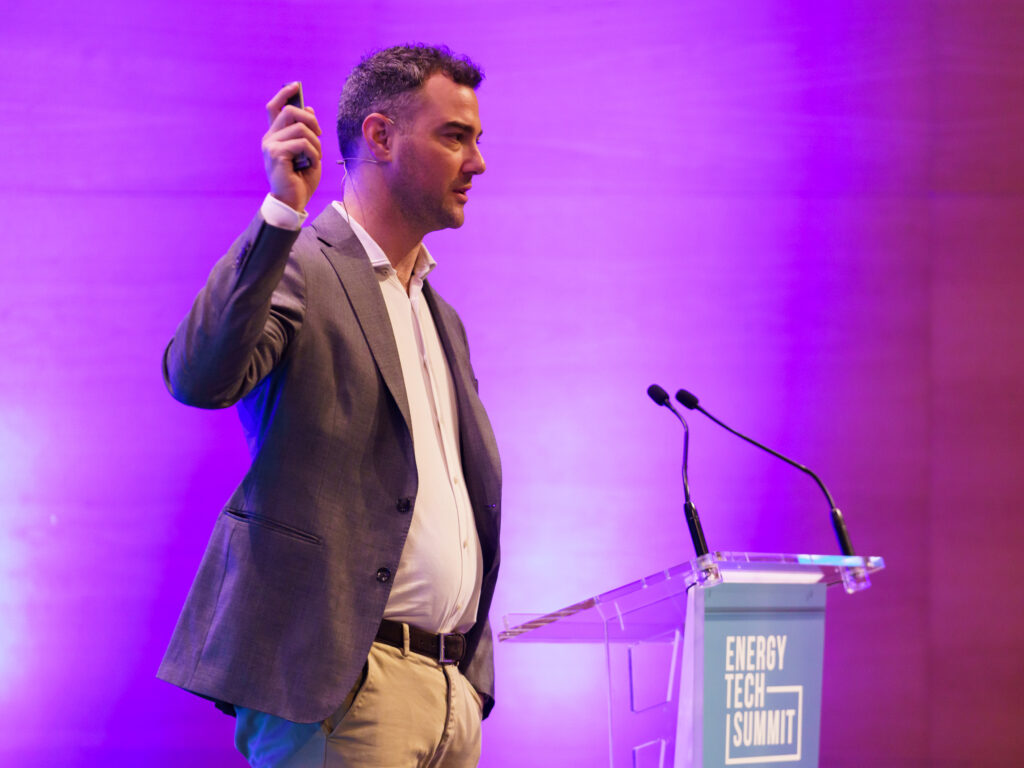
Daniel Rosen Jacobson, Co-Founder and Co-CEO of Elysian Aircraft
Designing around the weight problem
For years, academics and industry experts believed battery weight ruled out meaningful range. Elysian therefore spent three years researching in stealth mode. After all, anyone claiming long battery-powered range needs “solid scientific backing because nobody will believe you”.
That research produced the E9X. The aircraft is designed to carry 90 passengers up to 800 kilometers. It looks fairly traditional, but its wide, heavy wing is filled with batteries. The fuselage is similar in size to a regional jet, while the wing matches a larger narrow-body. Eight engines drive the aircraft, and a backup system covers reserves, so the batteries never have to.
Of course, “battery technology is obviously always the elephant in the room”. Rosen Jacobson argued that today’s cells already allow around 500 kilometers of range. Even if the initial range lands between 600 and 700 kilometers, the business case still holds. As he put it, “It just can only get better.” Moreover, airlines can upgrade range with each scheduled battery swap, since the design is modular.
Cleaner and cheaper per passenger
Elysian also studied the full life cycle. According to the company’s research, the E9X produces fewer emissions per passenger-kilometer than SAF or hydrogen aircraft, and even beats electric trains once infrastructure is included. The economics look strong as well. If energy costs double through SAF blending or carbon charges, the E9X could undercut both regional aircraft and narrow-bodies on operating costs. As a result, airlines gain a financial reason to switch, not only an environmental one.
Charging, in Rosen Jacobson’s view, is manageable. Both the investment and power needs are reasonable, so “It’s not so much a technical problem”. Instead, it’s mainly an economic and political question. Next, Elysian moves into component and configuration testing and demonstrators, working with airline partners. The company is targeting entry into service in 2033.
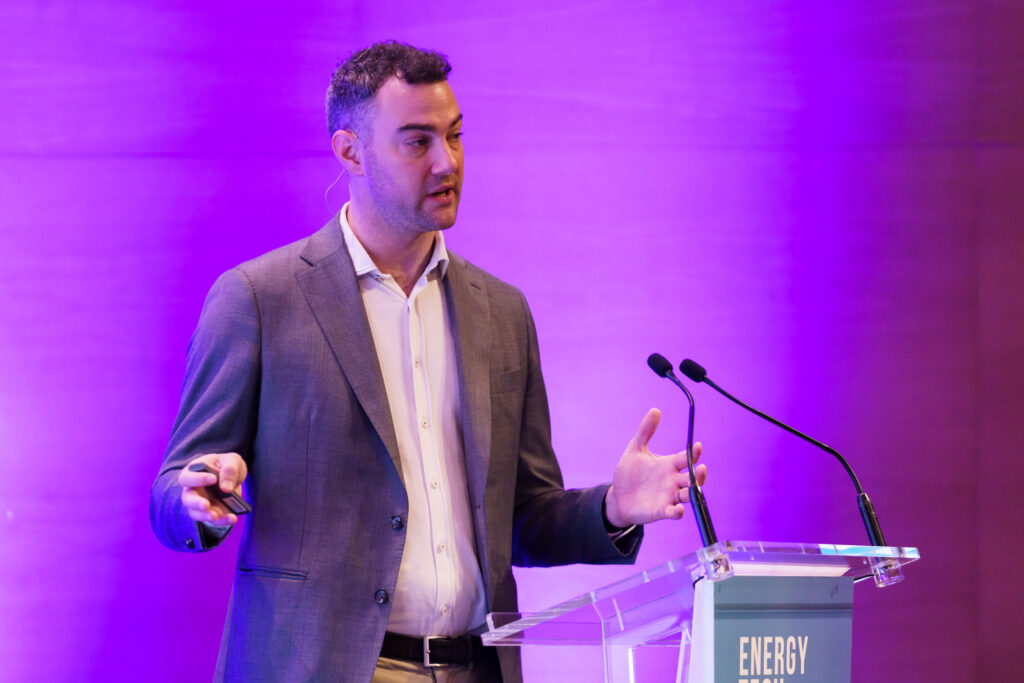
Daniel Rosen Jacobson, Co-Founder and Co-CEO of Elysian Aircraft
Takeaway
Electric aviation has long been dismissed as a niche for small aircraft. Elysian’s argument is that thoughtful design, rather than a battery breakthrough, can unlock short-haul routes flown by today’s narrow-bodies. If that holds, airlines could cut emissions and costs at the same time – on the flights that make up half of global air traffic.
Secure your pass
Want to meet the founders reinventing how the world moves? Join founders, investors and corporates at Energy Tech Summit Europe 2027 in Bilbao, April 7–8. Founder’s Pass: €699.